Skip to content

Services

What we do

We align documents to the standards named on this page. Certification and accreditation sit with the relevant body, not with us.

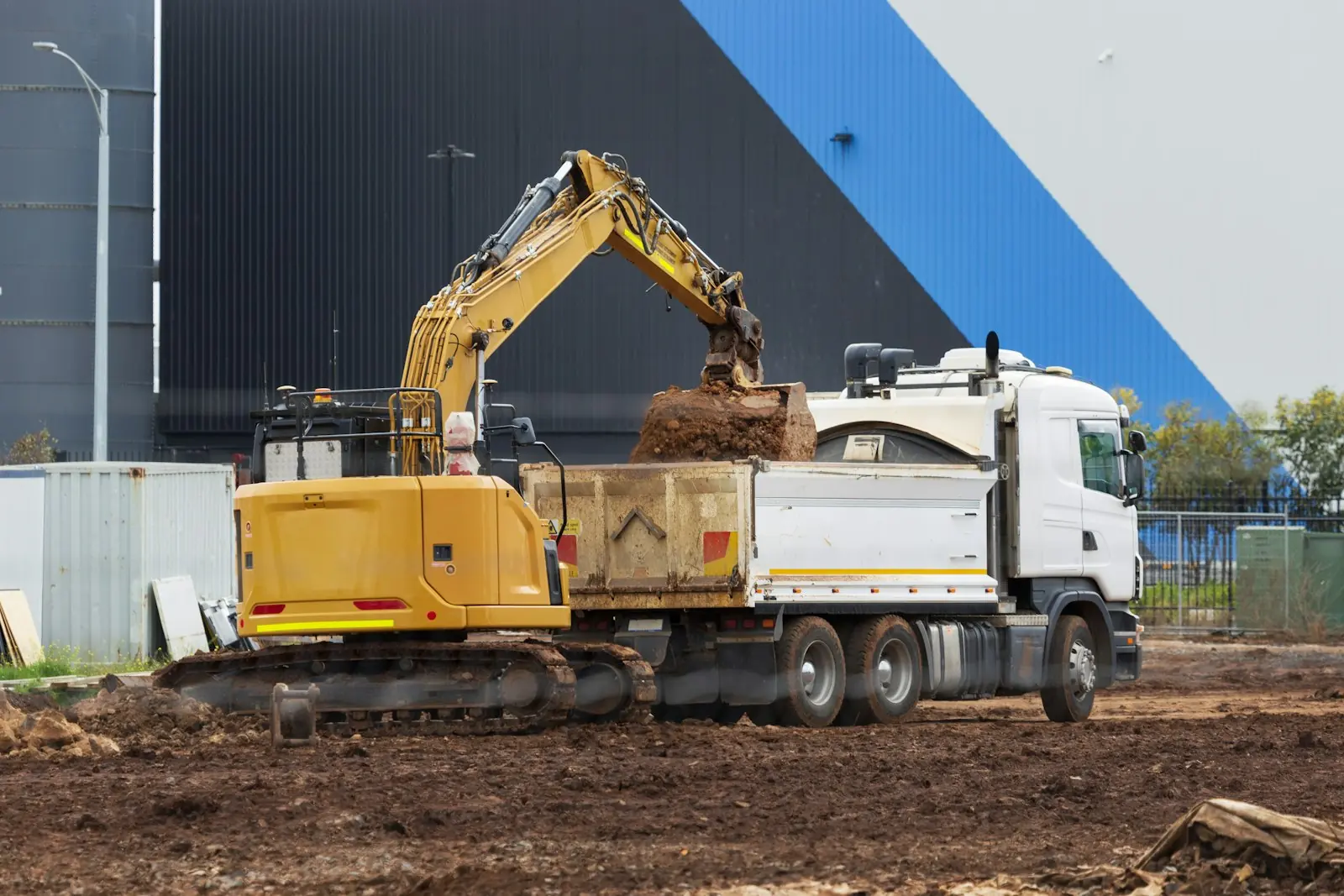
An excavator loading a tipper truck on a civil site.

01

WHS management systems

A WHS management system is the responsibilities, procedures and records a business uses to meet its duties and keep them current. We draft that system, review one you already have, or audit it against the Work Health and Safety Act 2011 (NSW), the Work Health and Safety Regulation 2025, and ISO 45001.

Where the same people also look after quality or environment, the WHS system can sit with ISO 9001 and ISO 14001. One set of procedures is easier to keep current than three manuals that disagree.

ISO certification is issued by an accredited certification body. We prepare the system those auditors read, and we can sit in on the audit with you. The certificate does not come from us.

What you receive

  • A system outline that matches how the work is done
  • Procedures, responsibilities and record templates
  • A gap review or internal audit report, with priorities
  • Notes on what a certification audit usually asks to see

Who it is for

Businesses that have outgrown a folder of old policies, or that a client has asked to show a current system.

02

Part-time safety manager

Some businesses need a safety person every week. They do not need a full-time salary. We take that work for an agreed number of days, or for a set scope: keep the system in use, follow up actions, advise supervisors, and get ready for a client audit or a visit from SafeWork NSW.

The arrangement is agreed in writing before it starts. The duties of the business, and of its officers, stay with them. We do the agreed WHS work. When a decision needs a record, the advice goes in writing.

What you receive

  • An agreed schedule and scope
  • A running action list
  • Written advice when you need a record of a decision
  • Handover notes if the arrangement ends

Who it is for

Businesses across Greater Sydney that want WHS cover for part of the week.

03

Tender and prequalification support

Tender schedules get marked down on thin safety answers. We draft the WHS sections, line up the evidence each question asks for, and check that every claim matches a document you can produce. If a procedure is missing, the draft says so. We can write that procedure before you lodge, if you want it in the job.

The same work covers prequalification questionnaires and contractor management: how subcontractors are approved, how their SWMS are reviewed, and what induction and supervision look like on the job.

What you receive

  • Draft answers tied to the question that was asked
  • A list of evidence that is still missing
  • Contractor management procedures and checklists, where they are part of the brief
  • A review of the pack before you lodge

Who it is for

Contractors preparing a tender or a prequalification pack, including businesses asked to show how they manage subcontractors.

04

Risk assessments, SWMS, JSAs and inspections

High risk construction work needs a SWMS before that work starts. Other tasks are better covered by a job safety analysis or a risk assessment. We write these from the way the job is done. A generic template with the business name swapped in is not the work.

A site inspection is a walk-through and a written report: what was seen, why it matters, and what to fix first. Use one before a client audit, after an incident, or on a schedule you set.

After an incident, we write the investigation: what happened, what it shows, and what to change.

What you receive

  • SWMS for high risk construction work, for the crew to review before the job
  • Job safety analyses and risk assessments for other tasks
  • A site inspection report with priorities
  • An incident investigation, when that is the job
  • A short close-out list

Who it is for

Builders, civil contractors, workshops and yards that need task documents or a written record of a site visit.

05

Emergency and traffic management plans

A workplace needs an emergency plan the people on that site can follow. Who raises the alarm. Where to assemble. How to account for people. What to do for the medical, fire and chemical events that are realistic there. We write the full plan and a one-page version for the wall or the site shed.

A traffic management plan sets out how trucks, mobile plant and people move through a site or a yard. Where a roads authority or a head contractor has to accept the plan, we prepare the document for that submission. The decision to accept it stays with them.

What you receive

  • An emergency plan and a one-page site version
  • A traffic management plan for the site or yard
  • A list of roles, so it is clear who does what on the day

Who it is for

Construction and civil sites, workshops, depots and yards.

06

Chain of Responsibility

Chain of Responsibility under the Heavy Vehicle National Law reaches parties whose decisions affect a heavy vehicle, not only the driver. The duties depend on the part you play. That may be as operator, scheduler, loader, packer, consignor or consignee.

We map the part your business actually plays, then put procedures, checks and records in place for the duties that apply to you. The heavy vehicle work sits in the same system as the rest of your WHS documents, so it is not a separate folder nobody opens.

We do not grant accreditation. Where a scheme such as the National Heavy Vehicle Accreditation Scheme is part of the brief, we help you prepare the system. The accrediting body makes the decision.

Chain of Responsibility (National Heavy Vehicle Regulator)

What you receive

  • A map of your role in the chain
  • Procedures and checklists for the duties that apply
  • Record templates for loading, scheduling and maintenance, where those duties are yours
  • A short report of gaps against the duties you hold

Who it is for

Transport operators, warehouses, schedulers, and businesses that consign or receive goods on heavy vehicles in and around Sydney.

07

Ergonomic, plant and process assessments

We assess hazardous manual tasks, workstation layout and the order of a job, then recommend changes that fit that workplace. We also assess plant and processes: guarding, isolation, access for maintenance, and the points where people and equipment meet.

The report separates what the WHS Regulation requires from improvements that are sensible and not mandatory. Where a matter needs a professional engineer, an occupational hygienist or another specialist, the report says that plainly.

What you receive

  • An ergonomic assessment with written recommendations
  • A plant or process risk assessment
  • A priority list, including items that need a specialist

Who it is for

Workshops, factories, warehouses and site compounds.

Industries we work with

Book a site visit

Need a WHS system, SWMS, a site inspection or tender documents? Email the sites and the date you are working to.

Book a site visit